Why Franchise Brands Are Betting on Tier 2 and Tier 3 India
Franchise brands are opening more outlets in Tier 2 and 3 cities in 2026. What is driving it, which formats fit, and the risks to check first.
FranchiseRoots Editorial6 min read
On this page
Cover photo: Zoshua Colah on Unsplash
Short answer: Franchise brands in India are opening a growing share of new outlets in Tier 2 and Tier 3 cities, because rents are lower, competition is thinner and local demand for branded products and services keeps rising. For an investor, these markets can be a strong entry point, but only if the format, ticket size and local demand are checked carefully first.
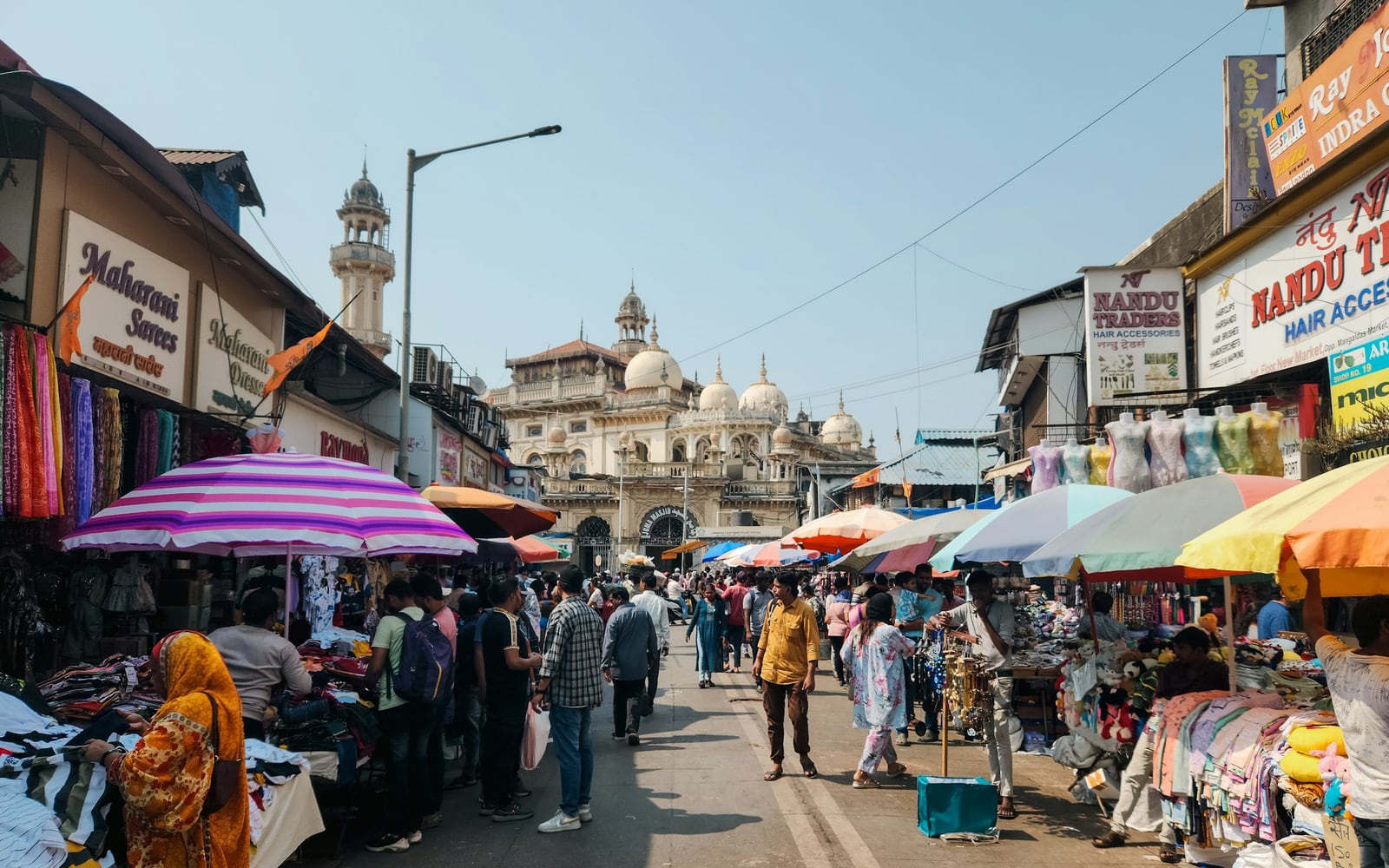
Tier 2 and Tier 3 cities are India's mid-sized and smaller urban centres outside the big metros. Think of places like Ludhiana, Indore, Jaipur, Dehradun, Raipur or Surat, where a franchise often meets less organised competition than in Delhi or Mumbai.
What is changing in 2026
Through 2026, a steady stream of franchise announcements has pointed in the same direction: beyond the metros.
- Fragrance: Ajmal Perfumes says it is targeting 170+ exclusive stores by the end of 2026, with Tier 2 and Tier 3 cities at the centre of that plan.
- Food: Mast Banarasi Paan has crossed 400 outlets and is targeting 600 within two years, growing through franchisees across Tier I, II and III cities.
- Footwear: Bata India reported more than 120 franchise store openings in 2026, taking its network past 775 outlets.
- Home interiors: HomeLane has said it will deepen its franchise network in fast-growing Tier II and Tier III markets alongside Mumbai and NCR.
- Beauty: KIKO Milano is expanding its footprint in Tier II and Tier III cities, with recent openings such as Raipur.
The pattern cuts across categories. It is not one sector chasing small towns; it is retail, food, home services and beauty all making the same bet.
Why brands are moving beyond the metros
1. A much larger base of formal small businesses
India's small-business base is formalising fast. Registrations on the government's Udyam Registration Portal and Udyam Assist Platform crossed 8.7 crore as of June 2026, according to the Press Information Bureau. A larger pool of registered entrepreneurs means more people who can access formal credit and who understand running a business, which is exactly the profile franchisors look for in a franchisee.
2. Easier access to credit
Credit is the biggest hurdle for most first-time franchise owners. The government has doubled the collateral-free loan limit for MSMEs to ₹20 lakh, which brings many small-format franchises within reach without pledging property. (Always confirm current eligibility with your bank, since scheme terms change.)
3. Lower set-up costs
Rent is usually the largest fixed cost in a franchise. In a Tier 2 or Tier 3 city, the same footprint typically costs far less than in a metro high street or mall. That lowers the total investment and reduces the monthly cash a new outlet must generate to stay afloat.
4. Aspirational demand with less competition
Consumers in smaller cities increasingly want the same brands, services and courses available in metros. Where a metro market may have five competing outlets in one neighbourhood, a smaller city may have one or none. Being early can matter more than being big.
Key facts at a glance
- Udyam and Udyam Assist registrations: 8.7 crore+ as of June 2026 (PIB)
- Collateral-free MSME loan limit: ₹20 lakh (Free Press Journal)
- Ajmal Perfumes target: 170+ stores by end-2026, focused on Tier 2/3 (Indian Retailer)
- Mast Banarasi Paan: 400+ outlets, targeting 600 in two years (Retail4Growth)
- Bata India: 120+ franchise openings in 2026, 775+ outlets (Indian Retailer)
Which franchise formats suit smaller cities
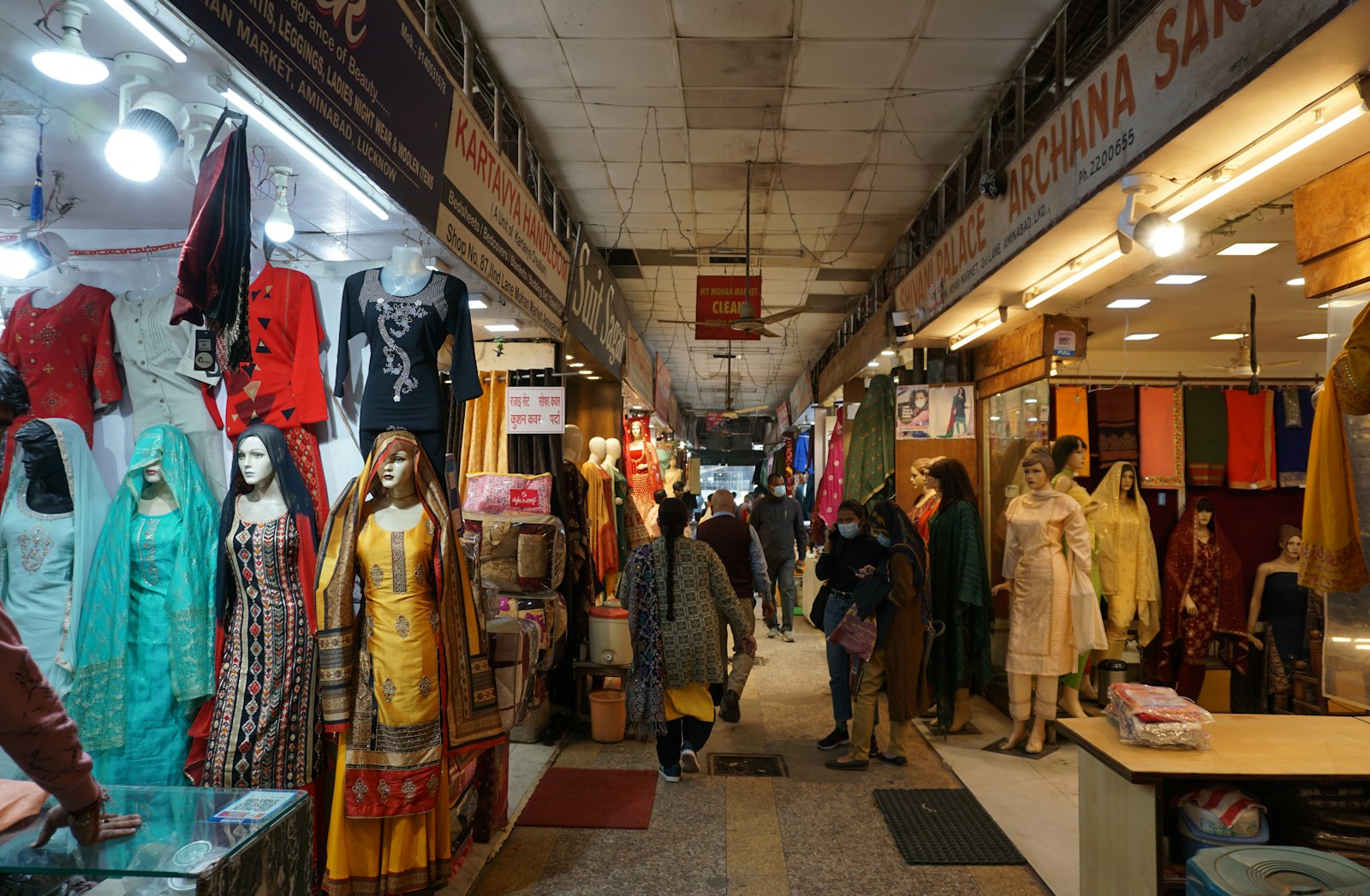
Formats that tend to fit Tier 2 and Tier 3 markets share a few traits:
- Smaller footprints and lower ticket sizes, so the outlet can break even on local footfall.
- Everyday or repeat demand, such as food, tea and snacks, personal care, salons and eyewear.
- Skills and education, including vocational training such as beauty and wellness, animation and digital skills, where local students would otherwise travel to a metro.
- Strong central support, covering supply chain, training, marketing and software, so the owner is not building systems alone.
Risks and caveats
Smaller cities are not automatically easier. Be honest about these before you sign:
- Demand is thinner. A format that works in a metro may not find enough customers in a city of a few lakh people. Ask the franchisor for performance data from outlets in comparable towns, not just their flagship stores.
- Price sensitivity is higher. Premium pricing may need adjusting, which squeezes margins.
- Talent can be harder to hire. Trained staff, faculty or technicians may need to be brought in or trained from scratch.
- Supply chains are longer. Check delivery frequency, minimum order sizes and who pays for logistics.
- Announcements are not results. Store-count targets are plans, not guarantees. Judge a brand on how many outlets are actually open and profitable today.
As always, read the franchise agreement carefully and estimate your payback period conservatively.
FAQs
Are Tier 2 and Tier 3 cities good for a franchise in 2026? They can be. Lower rent, thinner competition and rising demand help, but success depends on choosing a format that fits local spending and on verifying the franchisor's results in similar cities.
How much investment does a small-city franchise need? It varies widely by category. Many small-format food, beauty and service franchises sit in the lower lakh range, while full academies, clinics or large retail stores cost more. Compare total investment, not just the franchise fee.
Can I get a loan without collateral for a franchise? The collateral-free MSME loan limit has been raised to ₹20 lakh, so many smaller franchises may qualify. Eligibility depends on the bank and scheme, so confirm the current terms before you plan around it.
What should I check before choosing a brand for a smaller city? Look for outlets already running in comparable towns, a realistic payback period, clear fees and royalty, strong training and supply support, and a fair agreement term and exit clause.
Which sectors are expanding fastest beyond the metros? In 2026, announcements span fragrance, footwear, food and paan cafés, home interiors and beauty, alongside skills and education formats.
Looking for a franchise that fits your city and budget? Browse verified franchise opportunities on FranchiseRoots.
Sources
- PIB: From Enterprise to Empowerment, The MSME Story (June 2026)
- Free Press Journal: MSME guarantees and ₹20 lakh collateral-free loan limit
- Indian Retailer: Ajmal opens new stores in Tier II and III cities
- Retail4Growth: Mast Banarasi Paan crosses 400 outlets (July 2026)
- Indian Retailer: Bata India crosses 120 franchise store openings in 2026
- Retail4Growth: HomeLane plans retail footprint with 100 franchise stores
- Indian Retailer: KIKO Milano and Tier II/III expansion